What Are The Most Important SEO Metrics To Track?
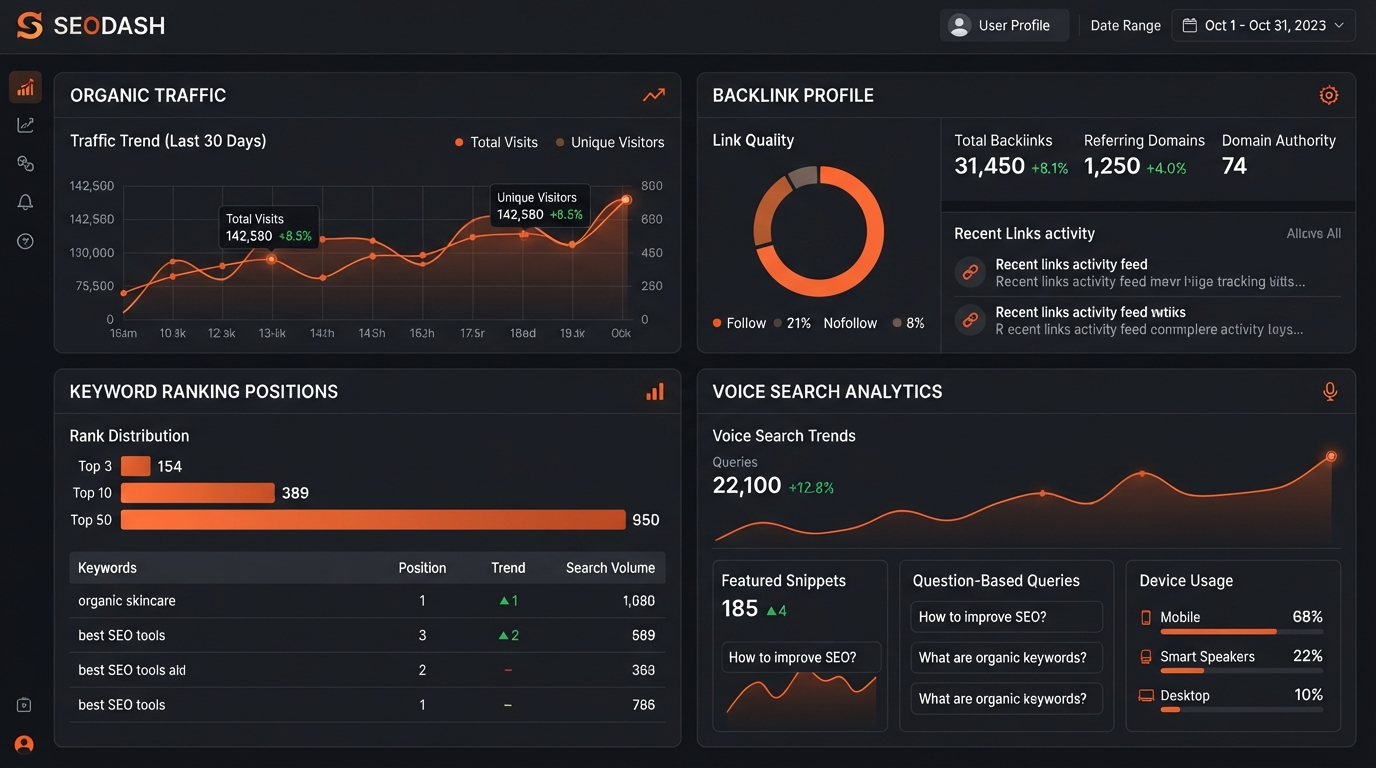
Updated August 19, 2026 — SEO metrics have evolved significantly. We've updated tool references and added AI search considerations to keep this guide current.
SEO matters. You don't need me to tell you that – although I certainly have told you all about it!
62% of consumers will disregard a business if they can't find them online.
Understanding the importance of SEO is one thing – but knowing what to do with your SEO metrics is another. With so many metrics to choose from, how do you know where to put your focus? Which SEO metrics can help you the most?
1. Organic Traffic
The traffic your website generates is the lifeblood of your business online. If your site doesn't attract new visitors, it's a sure sign that your SEO isn't doing what it should.
Organic traffic is all the traffic you don't pay for – in other words, it's traffic you get because someone searched for a keyword on Google and then clicked on your link. Traffic from paid ads is not organic.
You need to track organic traffic using Google Analytics because it's a good barometer of your SEO in general. If you get little or no organic traffic, it means your site needs work. If your organic traffic is high, your SEO is doing something for you.
2. Your Target Keywords
What are the keywords you want people to use to find you? Tracking their search volume and variations on them can help you target them on your website.
A tool such as SEMrush or Ahrefs is a good place to start. You should look at the monthly search volume and dig into the search results, looking for opportunities to rank for them. You may be able to identify opportunities that other websites have missed.
3. The Keywords You Already Rank For
How are people finding your website now? Whether you meant to target them or not, there are keywords that earn your website a first-page spot on Google. Knowing what they are is essential if you want to fine-tune your SEO.
The best tool for the job is Google Search Console. I recommend using your existing rankings to capitalize on opportunities, at the same time you think about how you can use the traffic you have to get the traffic you want.
4. Backlinks
Backlinks are still a huge factor in SEO. A site that has an array of high-quality backlinks is always going to rank higher on Google than a site with few or low-quality backlinks.
There are two aspects to tracking your backlinks. The first is tracking your own, which you can do using Google Search Console. Seeing what you have can help you identify the areas where you're falling short.
The second aspect is tracking your competitors' backlinks. There are a lot of potential backlinks out there and I'm willing to bet you haven't capitalized on all of them. Using a backlink evaluation tool, such as SEMrush or Moz can help you spy on your competitors' backlinks.
If you see an authority backlink that you'd like for your own site, you can work on getting it. Some of the best methods include writing a guest blog post or simply contacting the site directly to ask if they'd be willing to link to your site.
5. Social Media Traffic
Google says social media posts (and other metrics, including Likes, Follows and Shares) don't impact your Google rank directly.
"Directly" is the key word because there is evidence that social media activity does impact a website's rank in some way. There's a reason that when you search for a big company, their social pages show up at the top of Google's SERP.
The good news is that you can track your social traffic using Google Analytics, which is free. Pay special attention to the posts and activity that are leading people back to your website.
6. Voice Search & AI Search Rankings
Alexa, are people finding your website through voice search?
If you're not asking that question, you should be. Voice search and AI-powered search (like Google's AI Overviews and ChatGPT) are reshaping how people find businesses. As of 2024, over 50% of all searches are voice or conversational queries.
You should make sure that your business is listed on Apple Maps if you want to rank on Siri, and Google Maps is a must for Google voice search.
One final note about voice and AI search. Unlike regular Google rankings, these provide a single answer to a single question. That means your best bet is to identify questions that the people in your target audience are likely to ask and then optimize your content for them.
7. Page Speed
Nobody likes a slow website and research shows that if your site takes more than a few seconds to load, people will navigate away. That makes tracking your page speed a no-brainer.
This is an easy SEO metric to track using PageSpeed Insights by Google. If your page is slow, you'll need to address it immediately.
8. Organic Conversions
I saved the best for last. Your organic conversion rate is a measurement of how well your organic search rank is converting casual searchers to subscribers, or (best of all) -- paying customers.
Here again, you can use Google Analytics – which is free – to track your conversions. You might get a ton of organic traffic, but if it's not helping you build your list, attract leads, and make sales, then it's not doing you any good.
Most of these metrics are free to track. You don't need fancy tools, nor do you need to be an SEO expert. With a bit of research and perseverance, you can use your SEO metrics to help you do a better job of optimizing your site – and growing your business.
To see how our team of experts can help you optimize your website for SEO, click here.
FAQ
What is the single most important SEO metric to track?
Organic conversions. While organic traffic tells you how many people visit your site, organic conversions tell you how many of those visitors actually become leads or customers. This is the metric that directly ties SEO to revenue.
How often should I check my SEO metrics?
Check key metrics weekly (organic traffic, rankings) and do a deep dive monthly (backlinks, keyword opportunities, page speed). Avoid checking too frequently — SEO is a long-term strategy and daily fluctuations are normal noise.
What tools do I need to track SEO metrics?
Start with the free essentials: Google Analytics for traffic and conversions, Google Search Console for keyword rankings and backlinks, and PageSpeed Insights for load time. As you grow, add a paid tool like SEMrush or Ahrefs for competitive analysis and keyword research.
How long does it take to see SEO results?
SEO typically takes 3-6 months to show meaningful results for a new site, and 6-12 months for competitive keywords. Existing sites may see improvements in 4-12 weeks. Focus on consistent content creation, technical optimization, and quality backlink building rather than short-term ranking fluctuations.

Duct Tape Marketing Master Certified Consultant & AI Search Expert.
View Ian's Expert Profile & Credentials →